
Orthopedics: A Comprehensive Overview
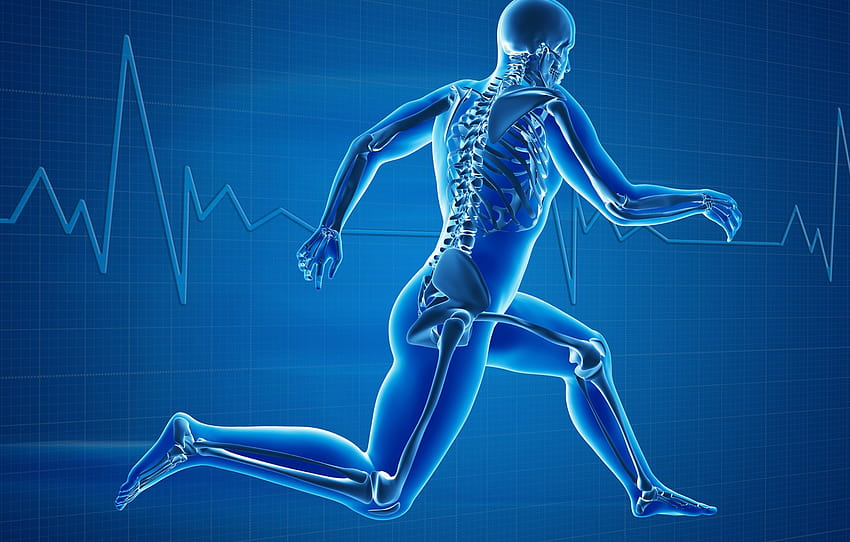
Orthopedics, also spelled orthopaedics, is a branch of medicine concerned with the diagnosis, correction, prevention, and treatment of patients with skeletal deformities—disorders of the bones, joints, muscles, ligaments, tendons, nerves, and skin. These elements make up the musculoskeletal system. Orthopedics plays a critical role in treating injuries, degenerative diseases, congenital disorders, and infections that affect the mobility and function of the human body.
Orthopedic care spans a wide range—from simple bone fractures to complex spinal surgeries and joint replacements. With the increase in life expectancy and active lifestyles, orthopedic care has evolved to include not only curative but also preventive and rehabilitative components.
Scope of Orthopedics
Orthopedics encompasses both non-surgical and surgical methods to treat a wide array of musculoskeletal problems. Some of the common conditions managed in orthopedics include:
Fractures and dislocations
Arthritis and osteoarthritis
Tendon and ligament injuries
Spinal disorders
Bone tumors
Congenital disorders like clubfoot and hip dysplasia
Subspecialties within Orthopedics
Pediatric Orthopedics – Focuses on musculoskeletal issues in children.
Orthopedic Oncology – Deals with benign and malignant bone tumors.
Sports Medicine – Addresses sports-related injuries like ACL tears and rotator cuff injuries.
Spine Surgery – Specializes in conditions like herniated discs, scoliosis, and spinal stenosis.
Joint Replacement (Arthroplasty) – Involves replacement of hips, knees, shoulders, etc.
Hand Surgery – Includes carpal tunnel, tendon repair, and microsurgery.
Trauma Surgery – Treats complex fractures, especially from accidents or falls.
Common Orthopedic Conditions
1. Osteoarthritis
A degenerative joint disease marked by the breakdown of cartilage, osteoarthritis primarily affects the knees, hips, spine, and hands. Symptoms include joint pain, stiffness, and decreased mobility. Management includes physiotherapy, medications, lifestyle modifications, and in severe cases, joint replacement surgery.
2. Fractures
Fractures are breaks in the continuity of bones, caused by trauma, falls, or osteoporosis. Types include closed, open (compound), greenstick, and comminuted fractures. Treatment may involve casting, traction, or surgical fixation using metal plates, screws, or rods.
3. Rheumatoid Arthritis
An autoimmune disease, rheumatoid arthritis causes chronic inflammation of joints, leading to pain, swelling, and deformity. Orthopedic interventions may include joint replacement or synovectomy when medical therapy fails.
4. Spinal Disorders
Conditions like herniated discs, scoliosis, and spinal stenosis fall under orthopedic care. Treatment ranges from physical therapy and medications to surgical options like laminectomy, spinal fusion, or disc replacement.
5. Rotator Cuff Injuries
Common in athletes and the elderly, rotator cuff injuries involve tearing of the tendons around the shoulder joint. Treatment includes physical therapy, steroid injections, and in severe cases, arthroscopic repair.
Diagnostic Techniques in Orthopedics
1. X-rays
Fundamental imaging technique to identify fractures, joint dislocations, and bone deformities.
2. MRI (Magnetic Resonance Imaging)
Ideal for evaluating soft tissues—ligaments, tendons, cartilage, and spinal discs.
3. CT Scans
Provides detailed images of bone and is used in complex fractures and pre-operative planning.
4. Bone Scans
Helpful in detecting bone infections, tumors, and subtle fractures not visible on X-rays.
5. Arthroscopy
A minimally invasive technique where a camera is inserted into a joint to diagnose or treat conditions.
Treatment Modalities in Orthopedics
1. Conservative (Non-Surgical) Treatment
Physical Therapy: Vital for recovery and rehabilitation; includes strength training, mobility exercises, and pain relief methods.
Medications: NSAIDs, corticosteroids, and disease-modifying antirheumatic drugs (DMARDs).
Bracing and Casting: Stabilizes fractures or supports weakened joints.
Orthotics: Custom shoe inserts for correcting foot mechanics.
2. Surgical Treatment
Open Reduction and Internal Fixation (ORIF): Realignment and stabilization of fractures using implants.
Joint Replacement Surgery: Removal of damaged joint surfaces and replacement with prosthetic components.
Arthroscopy: For treating joint problems with minimal incisions.
Spinal Surgeries: Include discectomy, fusion, and decompression.
Reconstructive Surgery: For severe deformities or after tumor